
Calcium carbonate
- Chemical Formula: CaCO₃
- CAS Number: 471-34-1
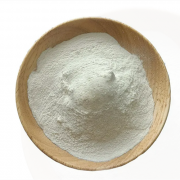
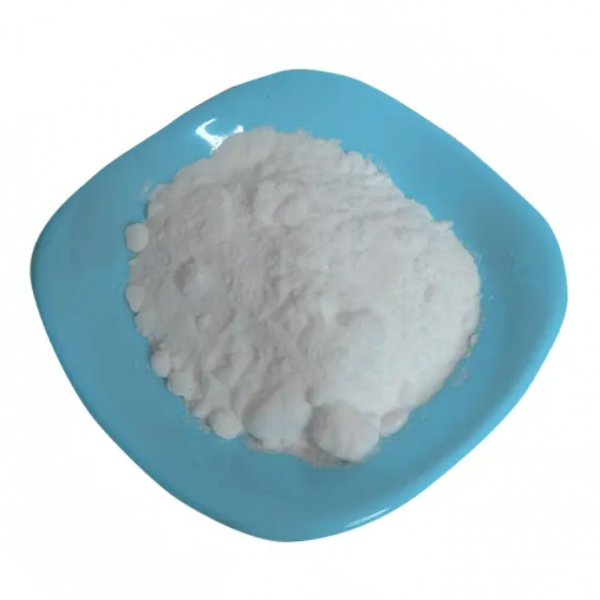
- Appearance: White, odorless powder or granules
- Purity: 98% – 99%
- Types Available: Ground Calcium Carbonate (GCC), Precipitated Calcium Carbonate (PCC)
- Description
- Inquiry
Key Features:
- Chemical Formula: CaCO₃
- CAS Number: 471-34-1
- Appearance: White, odorless powder or granules
- Purity: 98% – 99%
- Types Available: Ground Calcium Carbonate (GCC), Precipitated Calcium Carbonate (PCC)
- Packaging: Available in 25kg bags, 1-ton bags, and bulk packaging
| Items | Specifications | Results | ||
| Identification test | Pass | Conforms | ||
| Assay (on a dry basis), w/% | 98.0 ~ 100.5 | 99.81 | ||
| Insolubles in hydrochloric acid,w/% | ≤0.20 | 0.07 | ||
| Dissociate alkali, w/% | Pass | Conforms | ||
| Magnesium and Alkali metal, w/% | ≤1.0 | 0.50 | ||
| Loss on Drying, w/% | ≤2.0 | 0.17 | ||
| Barium (Ba)/(mg/kg) | ≤300 | <300 | ||
| Cadmium (Cd)/(mg/kg) | ≤2.0 | <2.0 | ||
| Fluorine (F)/(mg/kg) | ≤50 | <50 | ||
| Arsenic (AS, mg/kg) | ≤3.0 | <3.0 | ||
| Lead (Pb)/(mg/kg) | ≤3.0 | <3.0 | ||
Ground Calcium Carbonate (GCC) and Precipitated Calcium Carbonate (PCC) are two different forms of calcium carbonate, with key differences in their production processes, physical properties, and applications. Below is a detailed comparison of these two types of calcium carbonate:
1. Differences in Production Process:
Ground Calcium Carbonate (GCC):
Ground calcium carbonate is obtained by mechanically grinding natural limestone (a rock containing calcium carbonate). Since it comes from natural minerals, its particles are typically larger and have an irregular shape.
Precipitated Calcium Carbonate (PCC):
Precipitated calcium carbonate is produced through a chemical process, where calcium carbonate is extracted from limestone and precipitated in a solution. The production process involves first heating limestone to decompose it into calcium oxide (CaO), which is then reacted with water to form calcium hydroxide. Finally, carbon dioxide gas is injected to precipitate calcium carbonate. PCC has smaller particles, a more uniform shape, and a higher specific surface area.
2. Differences in Physical Properties:
Ground Calcium Carbonate (GCC):
- Larger particles, typically between 2-10 microns, with irregular shapes and rough surfaces.
- Higher density, usually around 2.7-2.8 g/cm³.
- Smaller specific surface area.
Precipitated Calcium Carbonate (PCC):
- Smaller particles, typically between 0.5-2 microns, with a more uniform shape and smoother surface.
- Lower density, typically between 2.5-2.7 g/cm³.
- Larger specific surface area, giving it higher reactivity.
3. Differences in Application Areas:
Ground Calcium Carbonate (GCC):
- Primarily used in industries such as plastics, rubber, coatings, paper, and building materials, where it is commonly used as a filler or whitening agent. Due to its larger particles, it does not significantly affect the transparency or gloss of products.
- Also commonly used in agriculture as a soil conditioner or neutralizer for acidic soils.
Precipitated Calcium Carbonate (PCC):
- Due to its smaller particles and larger specific surface area, PCC is commonly used in applications requiring higher transparency, gloss, or fineness, such as in coatings, paper, plastics, and rubber products.
- Often used in the food and pharmaceutical industries as a thickening agent, anti-caking agent, or nutritional supplement.
- Also used in specific high-end industrial applications such as high-gloss coatings in paints and high-performance rubber.
4. Cost Differences:
Ground Calcium Carbonate (GCC):
- Generally more economical because it is directly extracted and processed from natural minerals, resulting in lower production costs.
Precipitated Calcium Carbonate (PCC):
- The production process is more complex and involves chemical reactions, so the cost is relatively higher. However, it offers higher finesse and functionality.
Summary:
- Ground Calcium Carbonate (GCC): Larger particles, lower cost, suitable for use as a filler in industrial and building materials.
- Precipitated Calcium Carbonate (PCC): Smaller particles, uniform shape, larger surface area, used in industries that require high transparency and fineness, such as coatings, paper, food, and pharmaceuticals.
- The choice between the two depends on the specific application requirements and performance needs.
Applications of Calcium Carbonate:
- Plastic Industry: Calcium Carbonate is widely used as a filler in plastics, providing cost savings, enhancing product durability, and improving dimensional stability. It is often used in the production of PVC, HDPE, and PP products.
- Paints & Coatings: Calcium Carbonate for paints serves as a whitening agent and improves gloss and opacity in coatings. Its ability to reduce costs while maintaining quality makes it a popular choice in paint manufacturing.
- Paper Industry: Calcium Carbonate is used in the paper industry to improve brightness, smoothness, and printability. It is also used as a filler to reduce the cost of paper products.
- Agriculture: Calcium Carbonate serves as a soil conditioner and neutralizer for acidic soils in agricultural applications. It provides essential calcium to plants and helps improve soil structure.
- Pharmaceuticals & Food Industry: In pharmaceuticals, Calcium Carbonate is used as an antacid, calcium supplement, and excipient. In the food industry, it is used as a food additive and a nutritional supplement.
- Water Treatment: Calcium Carbonate is utilized in water treatment processes to adjust pH levels and remove impurities, ensuring water quality and safety.
- Rubber Industry: Calcium Carbonate for rubber enhances the physical properties of rubber products, making them more durable and cost-effective.
Health and Safety:
Calcium Carbonate is non-toxic and safe for use in a wide range of applications, including in food and pharmaceuticals. However, like all industrial materials, it should be handled with care to avoid dust inhalation or eye contact. Ensure proper protective measures are taken when using or handling the material.
Why Choose Guangzhou KosNature Co., Ltd. Calcium Carbonate?
At Guangzhou KosNature Co., Ltd., we provide high-quality Calcium Carbonate for a variety of industrial, agricultural, and commercial uses. Our Calcium Carbonate is produced in compliance with international quality standards and is available in both GCC and PCC forms, tailored to meet your specific needs.
- High Purity: Our products are processed to meet stringent quality standards for both food-grade and industrial-grade applications.
- Versatile Applications: Suitable for a wide range of industries, including plastics, rubber, paper, agriculture, pharmaceuticals, and water treatment.
- Competitive Pricing: We offer competitive pricing for bulk Calcium Carbonate purchases, ensuring cost-effective solutions for our customers.
- Reliable Supply: Our well-established supply chain ensures that we can meet large-volume orders with consistent quality and timely delivery.
Contact Us:
For more information about our Calcium Carbonate products, including Ground Calcium Carbonate (GCC) and Precipitated Calcium Carbonate (PCC), or to request a quote, please contact us at sales@kosnature.com.