How to Understand the Difference Between Amorphous Silica and Silicon Dioxide in B2B Sourcing
KosNature is one of the trusted silica manufacturers delivering tailored solutions across diverse sectors. Whether you’re sourcing for industrial composites, food-grade stabilizers, or cosmetic textures, our silica products meet the highest standards of safety, quality, and compliance.
Meta Description: Learn how amorphous silica and silicon dioxide differ in structure, function, and industrial usage—crucial insights for B2B silica sourcing in 2025.
Introduction
If you’re in charge of sourcing silica materials for your company, you’ve likely come across terms like amorphous silica 그리고 silicon dioxide (SiO₂). At first glance, they might seem interchangeable. But in sourcing—especially in food, 화장품, or high-performance materials—that assumption can cost you.
I’ve had buyers confuse the two and end up with non-compliant raw materials or ineffective product performance. So in this guide, I’ll walk you through what makes these materials similar, what sets them apart, and how to choose the right form for your industry.
What Is Silicon Dioxide?
Silicon dioxide (SiO₂) is a compound made of silicon and oxygen. It’s one of the most abundant materials on Earth and appears naturally as quartz, sand, or even in living organisms like plants and algae.
In industrial settings, it can be either crystalline (structured) or non-crystalline (amorphous).
When you hear the term silicon dioxide in food or pharmaceutical applications, it often refers to its role as an additive—usually under the code E551.
Key points:
- It’s chemically stable, non-reactive, and safe in food-grade quantities.
- Naturally found in many forms—quartz, silica sand, or diatomaceous earth.
- Its function depends heavily on whether it’s crystalline or amorphous.
What Is Amorphous Silica?
Now here’s where things get more specific.
Amorphous silica refers to non-crystalline silicon dioxide. This means the molecules don’t line up in a regular, repeating pattern. Think of it like a pile of sand versus a stack of bricks.
It’s typically produced synthetically through:
- Fumed (pyrogenic) 실리 카 – made by burning silicon tetrachloride in hydrogen and oxygen.
- Precipitated silica – created by reacting sodium silicate and sulfuric acid in water.
- Colloidal silica – a stable suspension of fine amorphous silica particles in water.
Why does this matter? Because amorphous silica is the safe form used in food, pharma, 그리고 화장품. Crystalline silica, on the other hand, can be dangerous when inhaled in large quantities.
Benefits of amorphous silica:
- Non-toxic and non-carcinogenic
- High surface area (great for absorption)
- Versatile in form: 가루, gel, or slurry
Key Differences Between the Two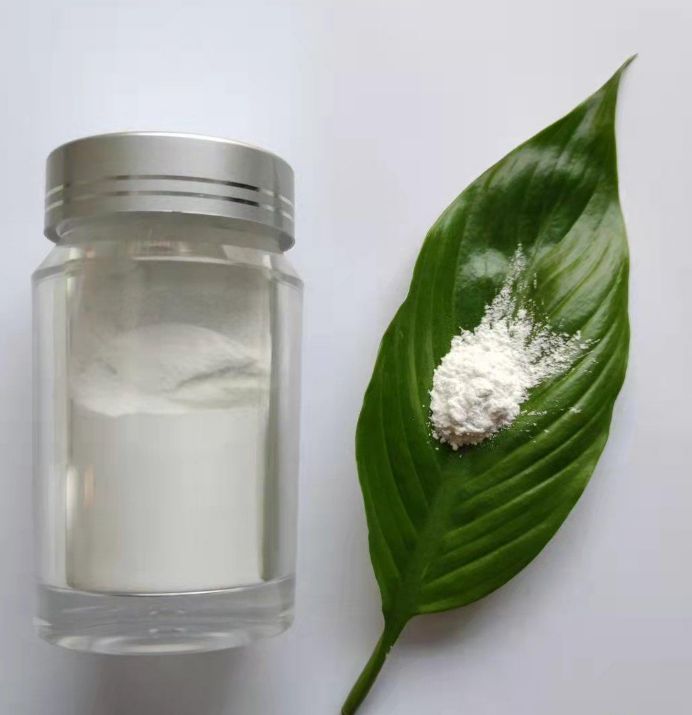
1. Structure
- 이산화 실리콘 is the chemical formula.
- Amorphous Silica describes a specific structure—non-crystalline.
All amorphous silica is silicon dioxide, but not all silicon dioxide is amorphous.
2. Safety & Regulatory Status
- Amorphous silica is GRAS (Generally Recognized As Safe) by FDA.
- Crystalline silica (like quartz) is regulated due to its respiratory risks.
- E551 is the approved food code for amorphous silica.
3. Labeling & Sourcing Risk
- Some suppliers just say “silicon dioxide.” You must clarify if it’s amorphous—especially in food and cosmetics.
- Not doing so could result in non-compliance with EU/US regulations.
4. Application Impact
- Crystalline forms don’t disperse or absorb like amorphous grades.
- 화장품 분야, you need microspheres or fumed silica for that light, silky finish.
- 식품에서, you need fine amorphous particles to prevent clumping (anti-caking).
산업 응용 분야 & Use Cases
음식 & 음료
- E551 used as anti-caking in powders like spices, supplements, and creamer.
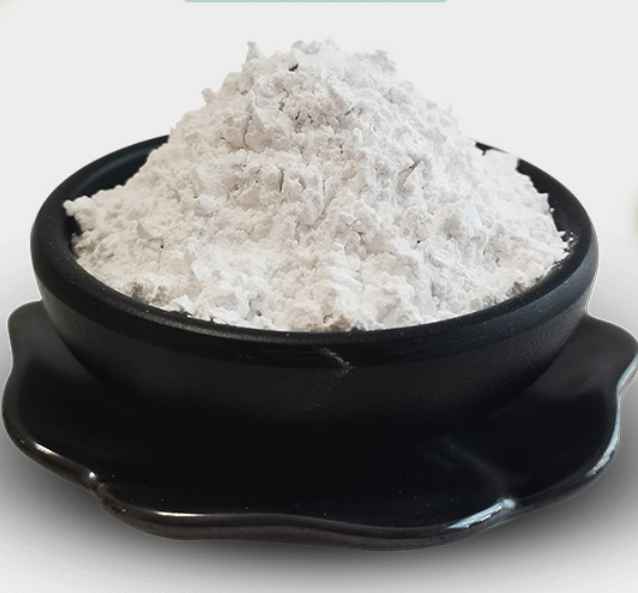
- Must be amorphous and food-grade.
화장품
- Amorphous silica beads or microspheres help with matte finish, oil control, and soft-focus.
Rubber & Plastics
- Precipitated silica enhances grip in tires and tensile strength in rubber.
- Often used as a filler or reinforcing agent.
Coatings & Inks
- Fumed or colloidal silica for rheology control and anti-settling.
Step-by-Step Guide: How to Choose the Right Form
Step 1 – Identify the Function
What role does the silica need to play?
- Absorbent? → Fumed or precipitated
- Anti-caking? → Food-grade amorphous
- Gloss control? → Microspheres
Step 2 – Check Compliance
- 음식? Look for E551, amorphous, FCC-approved
- 화장품? Verify INCI name, particle size, non-nano status
- 산업의? Safety data sheets and REACH certification
Step 3 – Match Performance with Budget
- Fumed silica = higher cost, higher performance
- Precipitated silica = more economical for bulk use
- Silica beads = premium feel, higher price
Bonus Tips
- Ask for the BET surface area—it shows absorption power.
- Always get a COA (Certificate of Analysis) showing amorphous structure.
- For export: make sure the silica is REACH, 식약청(FDA), and Prop 65 compliant.
Conclusion
Now you know the difference.
What started as a simple “which silica do I buy” question turns out to be a pretty layered decision. You’ve learned how amorphous silica fits into safe, high-functioning applications, and how silicon dioxide is more of a broad umbrella.
Next time a supplier sends you a silica spec sheet, you’ll know the right questions to ask.
Tailored Silica Solutions by Industry Use
At KosNature, we’re a professional silica materials manufacturer, delivering application-driven solutions across key sectors. From industrial reinforcements to cosmetic textures and food-grade performance, our silica products are engineered for precision, safety, and compliance.
🥣 Food & Nutraceuticals
Food-safe and compliant for ingredient performance and stability:
이산화 실리콘 (E551) – anti-caking agent in spices, powders, blends
Food Grade Silica – used in supplement manufacturing and tableting
Colloidal Silica – used in beverage clarification and functional fluid systems
🧴 Cosmetics & Personal Care
Designed for a smoother, cleaner skin feel and formula performance:
Silica Beads – spherical exfoliants for soft cleansing
Micronized Silica / Microspheres – oil absorption, matte effect, soft-focus
Spherical Silica – enhances glide, non-oily finish, and texture consistency
🔧 Industrial, Rubber & Paper
Engineered for strength, 착실, and processing efficiency:
Precipitated Silica – high-surface area filler for rubber, plastics, and coatings
Fumed Silica (Pyrogenic) – ultra-fine, anti-settling and rheology modifier
Silica Powder / Filler – bulk additive for improved body and durability
Amorphous Silica – versatile, 무독성, chemically inert
Hydrophilic / Hydrophobic Silica – customizable surface properties for optimal dispersion or repellency
Explore KosNature’s full range of amorphous silica solutions — or contact us to request a tailored sample for your product line.
Contact our team to request a free sample or quotation