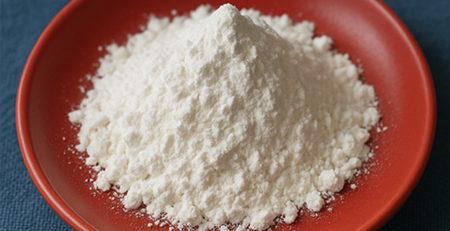
L'amido di frumento è un pregiato, polvere bianca estratta dall'endosperma dei chicchi di grano. Noto per la sua versatilità, Svolge un ruolo essenziale sia in ambito culinario che industriale. Che tu sia in cucina o faccia parte di un processo di produzione, È probabile che tu ti sia imbattuto nell'amido di frumento. Ma cosa rende esattamente questo ingrediente così indispensabile? In questo articolo, Approfondiremo il ruolo dell'amido di frumento, Esplora le sue numerose applicazioni, and examine the best substitutes for those with gluten sensitivities. Let’s dive in and discover the fascinating world of wheat starch!
Cos'è l'amido di frumento?
Wheat starch is a refined carbohydrate that is primarily made up of starch molecules. It is derived from the endosperm of the wheat grain and used in a variety of contexts, from thickening food to stabilizing industrial materials.
Processing:
The production of wheat starch involves separating the starch from the other components of the wheat grain, such as proteins and fibers. During this process, most of the gluten is removed. However, for individuals with celiac disease or gluten sensitivities, even trace amounts of gluten can pose risks. Therefore, it’s vital to ensure that the wheat starch is certified gluten-free if necessary.
Modulo:
Typically, wheat starch comes in powder or liquid form and is used in food products as well as industrial applications.
Role and Function of Wheat Starch in Recipes
Wheat starch is a staple in kitchens worldwide, and its ability to enhance texture, stabilità, and consistency in recipes makes it indispensable.
Thickening Agent:
Wheat starch excels at thickening sauces, soups, gravies, and stews. When heated, it absorbs water, swelling up to create a smooth, gel-like texture. This makes it an ideal ingredient in recipes requiring a thick, velvety consistency.Gelatinization:
Wheat starch undergoes a process known as gelatinization when heated. As it absorbs water, the starch molecules swell, increasing the mixture’s viscosity. This process is essential for creating the perfect texture in dishes like sauces, puddings, and gravies.Texture and Mouthfeel:
In baked goods like cakes, pastries, and pasta, wheat starch plays a key role in providing moisture retention and tenderness. It ensures that these products are soft and light, giving them a satisfying, moist texture that’s crucial for the eating experience.Binding and Stabilization:
Wheat starch is an effective binding agent in products like veggie burgers and meat patties, helping keep ingredients together. Inoltre, it stabilizes emulsions in products like sauces and dressings, ensuring a uniform texture throughout.Temperature Stability:
One of the unique features of wheat starch is its ability to maintain thickening properties even after being cooled and reheated. This makes it especially useful in dishes that are prepared in advance and reheated, such as soups and sauces.
Wheat Starch in Gluten-Free Foods
Wheat starch is also a key ingredient in gluten-free diets, though there are some important factors to consider.
What is Gluten-Free Wheat Starch?
Gluten-free wheat starch, sometimes called Codex wheat starch, is processed to remove gluten to a minimal trace level. This makes it safe for individuals with celiac disease or gluten sensitivities. However, because there may still be traces of gluten due to cross-contamination, it’s essential to choose products with a certified gluten-free label.
Health Considerations:
Although most of the gluten is removed during processing, cross-contamination can sometimes leave trace amounts behind. For those with severe gluten intolerance, it’s essential to confirm that the product has been thoroughly tested and certified as gluten-free.
Gluten-Free vs. Wheat-Free:
It’s important to note that gluten-free does not necessarily mean wheat-free. People with wheat allergies should still avoid wheat starch, as it may contain trace amounts of wheat proteins. Always check for certification labels to ensure the product meets your dietary requirements.
Application in Gluten-Free Products:
Wheat starch is commonly used in gluten-free baked goods, such as croissants, breads, and cakes, especially in the European and U.S. markets. It helps improve the texture, providing a closer approximation to traditional wheat-based baked goods. By enhancing moisture retention and creating a desirable mouthfeel, it helps make gluten-free products more enjoyable to eat.
Common Recipes Using Wheat Starch
Wheat starch is found in a variety of popular dishes, adding both texture and structure.
Pasta:
In pasta dough, wheat starch improves elasticity, helping the dough maintain its form during the shaping process. The starch also contributes to the smooth texture of the finished pasta.Cakes and Pastries:
Wheat starch is crucial for soft, moist cakes and flaky pastries. It helps retain moisture and enhances tenderness, which is especially important in delicate baked goods like sponge cakes.Soups and Sauces:
Wheat starch is often used to thicken soups and sauces, improving consistency. It adds to the richness of the texture, making sauces creamy and velvety, while also enhancing the flavors.
Best Substitutes for Wheat Starch in Recipes
For those looking for alternatives to wheat starch, there are several excellent substitutes available.
Tapioca Starch:
Amido di tapioca, derived from cassava root, is a gluten-free option that works well as a thickening agent. It provides a smooth texture and is ideal for both sweet and savory dishes. One of the advantages of tapioca starch is that it also gives a glossy finish to pie fillings and sauces. However, it has stronger binding properties than wheat starch, so you may need to adjust the quantities used.Gomma di xantano:
Xanthan gum is another great gluten-free alternative that functions as a thickener, emulsionatore, and stabilizer. It’s particularly effective in gluten-free recipes and is often used in sauces, soups, e prodotti da forno. Since it’s more potent than wheat starch, only small amounts are needed, making it cost-effective for those on special diets.
Wheat Starch vs. Other Starches
Comparing wheat starch to other starches highlights its unique qualities.
Cornstarch:
Cornstarch is also commonly used as a thickener, but it has a lower gelatinization temperature than wheat starch. It works well for low-heat applications, while wheat starch holds up better in high-heat environments, such as baking.Tapioca Flour:
Like tapioca starch, tapioca flour is gluten-free and has similar thickening properties to wheat starch. Its glossy finish makes it ideal for clear sauces and fillings, giving it an edge over other starches in certain recipes.
Wheat Starch in Industrial Applications
Beyond the kitchen, wheat starch is used in a variety of industrial applications.
Textiles and Paper:
Wheat starch is used in textile finishing and paper coating, where it provides structural integrity and smoothness. It enhances the quality of paper products, contributing to their strength and texture.Pharmaceuticals:
In the pharmaceutical industry, wheat starch is used as a binder in tablet formulations, helping the active ingredients stay together.Biofuels and Bioplastics:
Wheat starch is being explored for use in sustainable manufacturing. It can be converted into biodegradable materials, contributing to eco-friendly alternatives like biofuels and bioplastics.
Conclusion
Wheat starch is a remarkably versatile ingredient that serves many purposes in both the food industry and industrial sectors. From thickening sauces to stabilizing products and enhancing textures, its applications are vast. For those with gluten sensitivities, gluten-free wheat starch offers a safe alternative, while options like tapioca starch and xanthan gum provide excellent substitutes for specific dietary needs. Understanding wheat starch and its substitutes will help you make the best choice for your cooking, baking, or industrial needs. Whether you’re exploring new recipes or seeking more sustainable manufacturing solutions, wheat starch remains an invaluable resource.
Richiedi un preventivo ora