
Your Trusted Gelatin Collagen Manufacturer
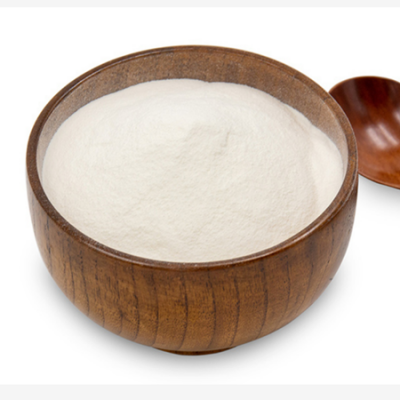
Collagen gelatin is a highly functional protein ingredient derived from natural collagen found in animal skin, bones, and connective tissues—most commonly bovine, porcine, or fish sources. Unlike hydrolyzed collagen, collagen gelatin retains a higher molecular weight and offers superior gelling capabilities, making it a valued material across food, nutraceutical, and beauty industries.
With a protein content of over 90% on a dry basis, this gelatin is rich in key amino acids such as glycine, proline, and hydroxyproline, which are essential for maintaining skin elasticity, joint flexibility, and tissue regeneration.
What Makes Our Collagen Gelatin Special?
Type I collagen source – known for skin, bone, and tissue support
Bloom strength between 180–260 – ideal for gummies, Gelées, and capsules
Excellent water retention, filmogène, and emulsifying abilities
Free from additives or chemical residues
Safe, high-purity, food-grade compliant
Non-GMO, BSE-Free, Halal and ISO certified
Functional Applications
Our collagen gelatin is suitable for a wide range of health and wellness formulations:
Nutritional gummies – collagen-based beauty or anti-aging chews
Soft and hard capsules – ideal for encapsulating liquids or powders
Collagen beverages – used as a stabilizer or light gelling agent
Premium jellies and puddings – adds firmness and clarity
Cosmetic films and skin care masks – excellent for bioadhesive and hydrating applications
Comparison: Gelatin vs. Collagen
| Feature | Gélatine | Collagen (Hydrolyzed Collagen / Peptides) |
|---|---|---|
| Source | Derived from animal collagen (skin, bones, tissues) | Same source: animal collagen (bovine, porcine, fish) |
| Traitement | Heat extraction and partial hydrolysis | Enzymatic hydrolysis into smaller peptides |
| Structure | Large protein molecules (partially denatured) | Small peptides (low molecular weight) |
| Gelling Ability | ✅ Yes – forms gel when cooled | ❌ No – does not gel |
| Solubilité | Dissolves in hot water only | Dissolves quickly in cold or warm water |
| Masse moléculaire | High (100,000+ Da) | Low (2,000–5,000 Da typical) |
| Main Applications | Gummies, Capsules, Gelées, Desserts | Beauty drinks, Suppléments, Aliments fonctionnels |
| Primary Function | Gelling, épaississement, structure | Nutritional support (skin, joints, hair, nails) |
| Goûter & Odeur | Neutral to mild | Very neutral |
| Digestibility | Good | Excellent – highly bioavailable |
Why Manufacturers Choose Our Collagen Gelatin
Whether you’re developing the next generation of beauty supplements or need a consistent gelling agent for food-grade applications, our collagen gelatin offers the best of purity, functionality, and compatibility. It blends smoothly into most formulations and offers structural integrity without compromising on sensory experience.
Reach out to us today for samples, technical documents, or a custom quotation. We are here to support your formulation success—naturally and reliably.
Related product: gelatin sheets

FRQ
In most cases, no. Collagen peptides do not have the gelling properties that gelatin provides. If your recipe requires a firm or elastic texture—like in gummies, marshmallows, or jellies—you’ll need to use gelatin. Collagen can be added to drinks or smoothies but won’t create structure or texture.
Both offer benefits, but collagen peptides are more commonly used for skin, hair, nails, and joint support due to their higher bioavailability. They absorb faster and are easier for the body to use. Gelatin still provides similar amino acids, but its larger molecular structure makes it slower to digest.
Oui, gelatin is a cooked form of collagen. When collagen is heated, its triple-helix structure breaks down into single strands—this becomes gelatin. So, while they share the same amino acid building blocks, their structure and behavior in applications are different.
Collagen peptides are the preferred choice for dietary supplements. They dissolve easily in both hot and cold liquids and are tasteless, making them ideal for mixing into drinks, powders, or tablets. Gelatin is better for soft capsules or food-based delivery forms like gummies.