
Proteína de guisante
- Proteína (N × 6.25) 80% – 85%
Humedad ≤ 10%
Ceniza ≤ 6%
pH 6.8 to 7.2
Como (Arsénico) ≤ 0.5 mg / kg
Pb (Dirigir) ≤ 0.5 mg / kg
Hg (Mercurio) ≤ 0.1 mg / kg
CD (Cadmio) ≤ 0.2 mg / kg
Soy ≤ 20 mg / kg
Gluten ≤ 20 mg / kg
- Descripción
- Investigación
Proteína de guisante
La fibra de guisante está hecha de 100% Guisantes amarillos no transgénicos mediante un método de separación bioquímica natural.
It provides high nutrition and functionality. No cholesterol and have certain amount of amino acid.
| Composición a base de materia seca | Valor |
|---|---|
| Proteína (N × 6.25) | 80% – 85% |
| Humedad | ≤ 10% |
| Ceniza | ≤ 6% |
| pH | 6.8 to 7.2 |
| Como (Arsénico) | ≤ 0.5 mg / kg |
| Pb (Dirigir) | ≤ 0.5 mg / kg |
| Hg (Mercurio) | ≤ 0.1 mg / kg |
| CD (Cadmio) | ≤ 0.2 mg / kg |
| Soy | ≤ 20 mg / kg |
| Gluten | ≤ 20 mg / kg |
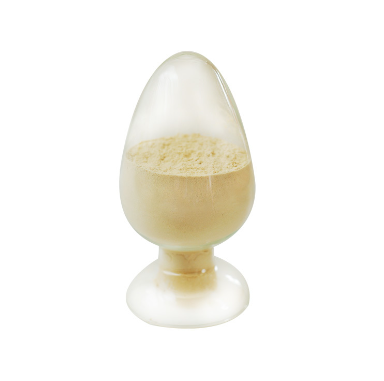
| Datos físicos | Valor |
|---|---|
| Color | Light yellow |
| Sabor y olor | Soso |
| Rate of pass through 100 malla | ≥ 98% |
| Microbiología | Valor |
|---|---|
| Total Plate Counts | n=5, c=2, m=10², M=10⁴ |
| Coliformes totales | n=5, c=2, m=10, M=30 |
| Yeasts | ≤ 50 CFU/g |
| Molds | ≤ 50 CFU/g |
| Salmonella | Negativo |
| Escherichia coli | Negativo |
What are the benefits of pea protein?
Pea protein is a high-quality plant-based protein that contains all nine essential amino acids and is easily digestible, making it suitable for people with sensitive stomachs. It helps increase satiety, supports muscle growth and repair, promotes weight management, and helps lower blood pressure and cholesterol levels, which is good for heart health. Pea protein also has a positive effect on blood sugar control, is rich in antioxidants, and has anti-inflammatory effects. Además, as an environmentally friendly protein source, pea protein is an ideal choice for vegetarians and people with allergies.
Productos relacionados: almidón de guisante ;Polvo de fibra de guisante